Used and recommended by clinical and brain science experts

Dipl.-Ing Jo Xue Heidelberg University

Dipl.-Ing Jo Xue

Heidelberg University

Dr.Jane XiaoZenoWellThe Chinese University of Hong Kong

Dr.Jane Xiao
ZenoWell
The Chinese University of Hong Kong

Dr. ZhangZenoWellZhejiang University

Dr. Zhang
ZenoWell
Zhejiang University

Our latest
research
Explore the science behind ZenoWell and our BrainCLOS platform.
Non-invasive vagus nerve stimulation for sleep, nervous system balance, and neurological support.Contact us for research access and collaboration.
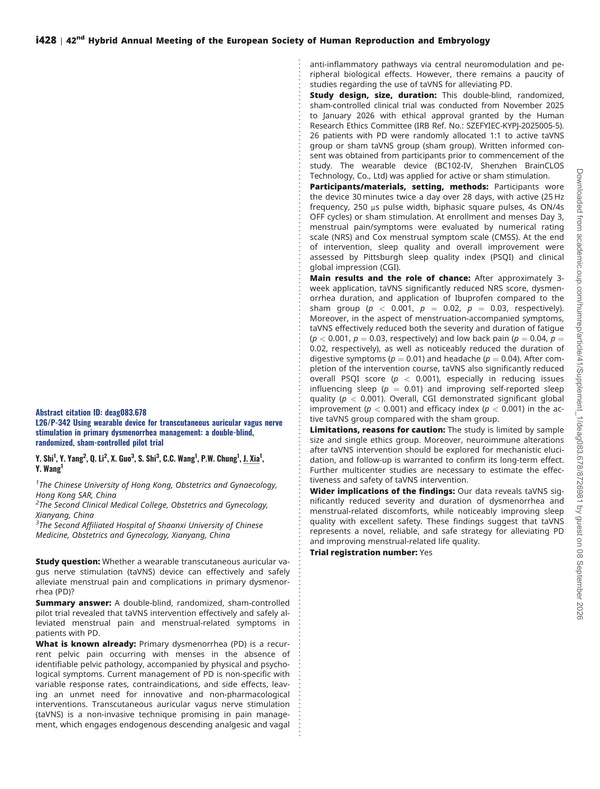
Wearable taVNS shows promise for period pain
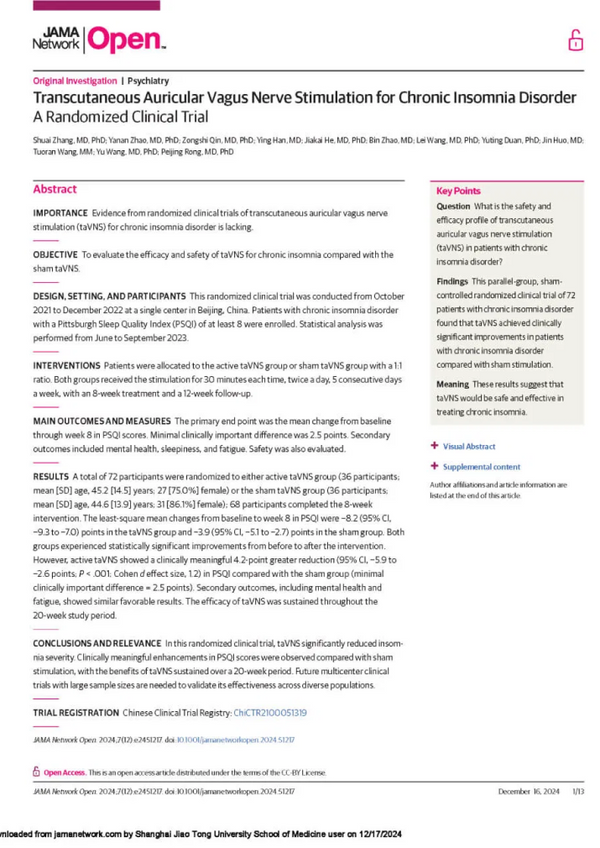
taVNS shows promise for chronic insomnia
HRV may help track the body’s response to taVNS
A pediatric migraine case treated with taVNS
Testing taVNS for headaches in children and teens
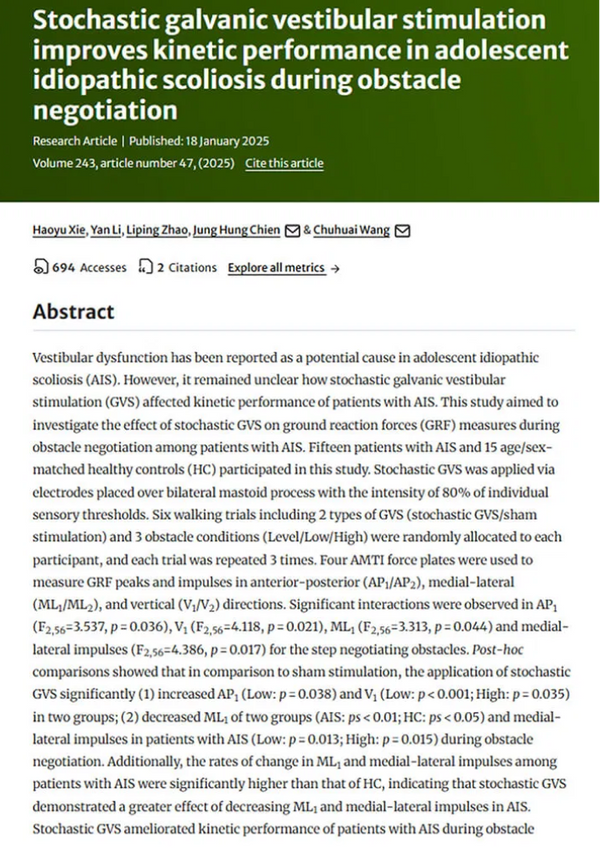
Electrical stimulation and better balance control
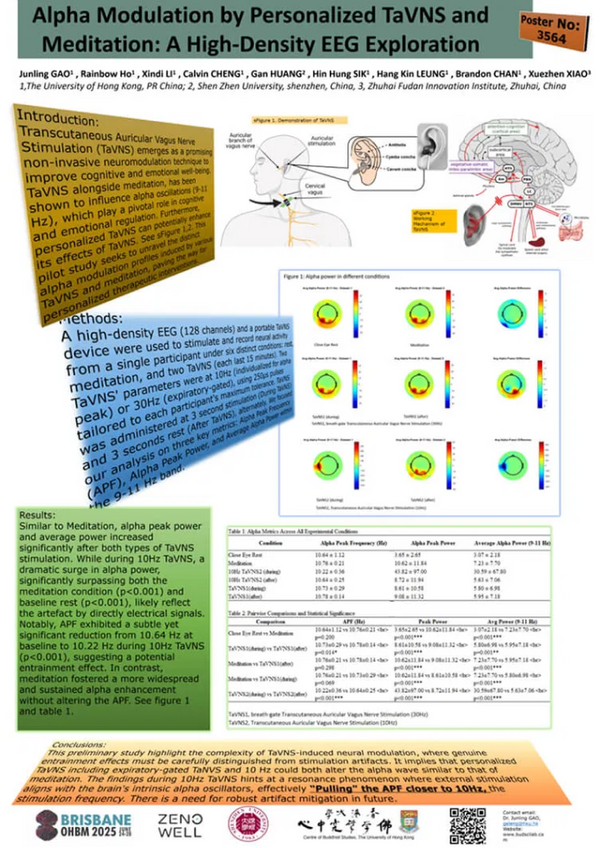
How taVNS and meditation affect brain activity
Exploring taVNS for cognitive support
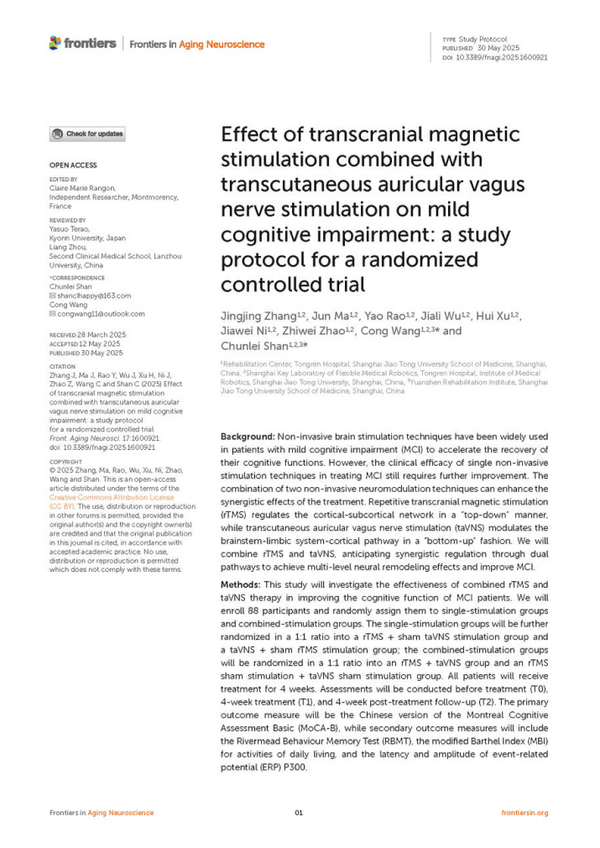
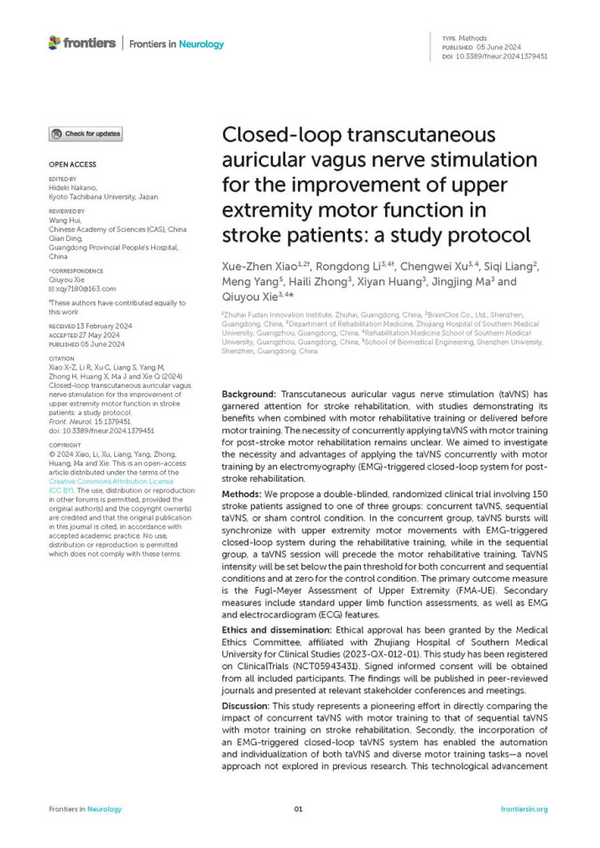
Closed-loop taVNS for stroke rehabilitation
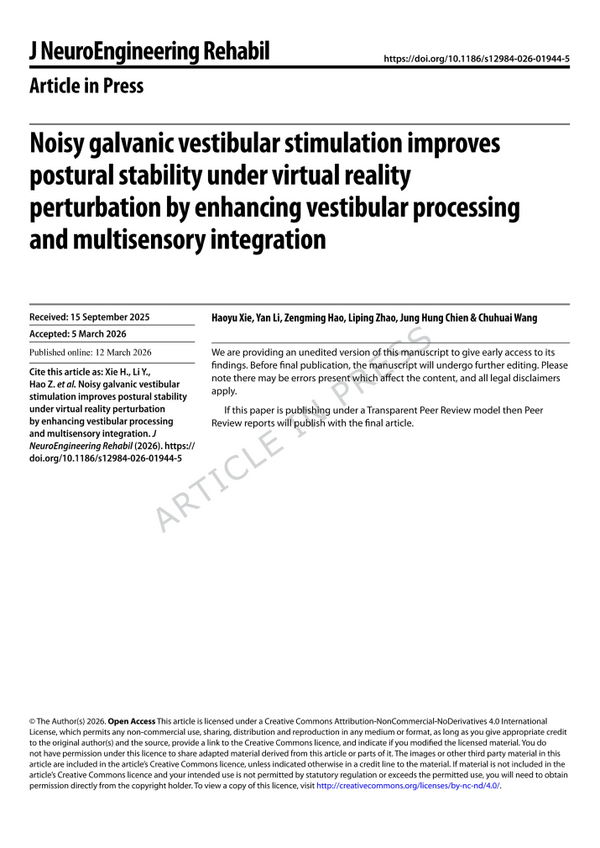
Helping the Brain Maintain Balance Under Sensory Stress
×

Science evidence about HRV

Try now
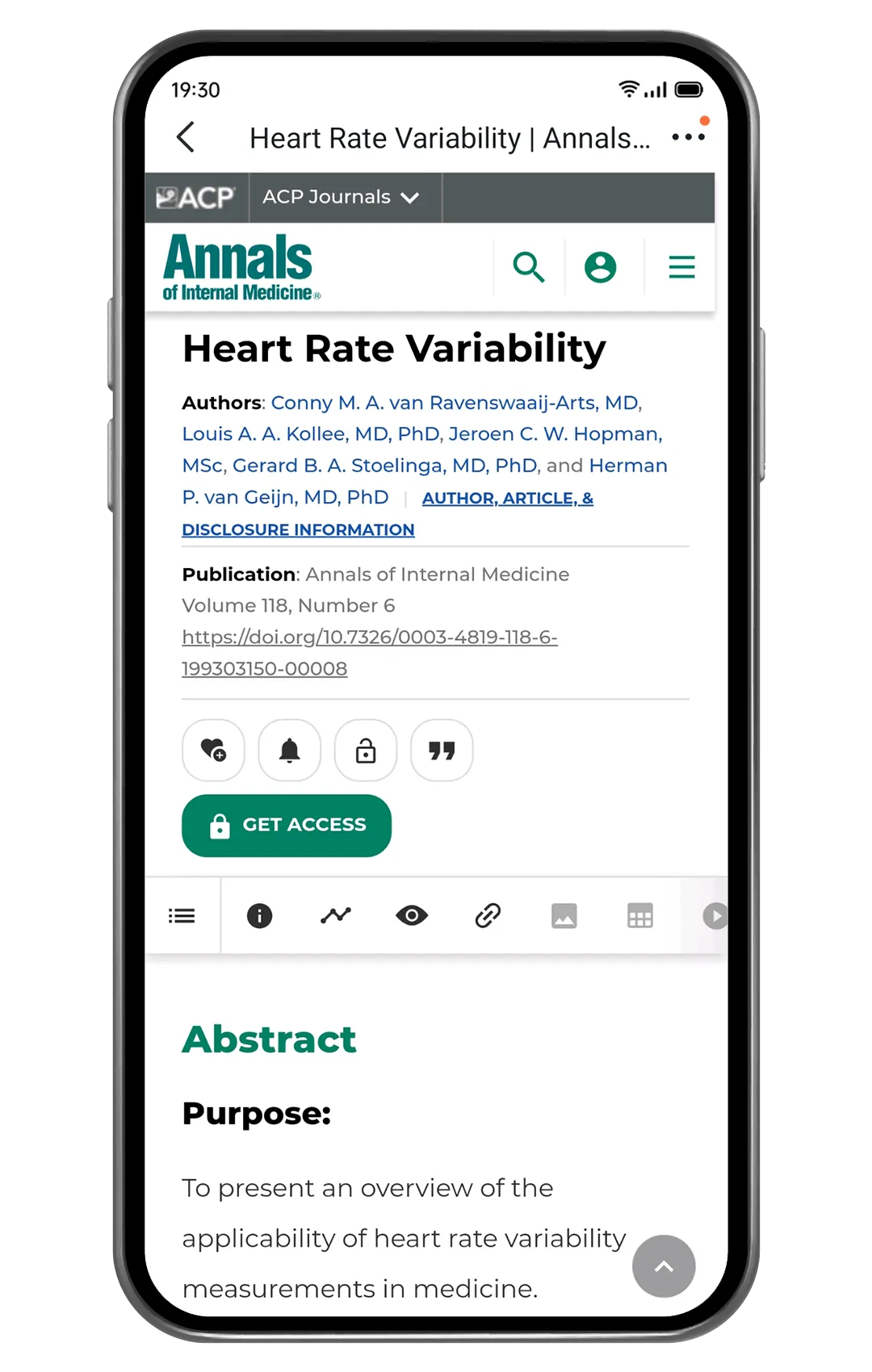
Heart Rate Variability article page from Annals of Internal Medicine.

HRV: a window into your body’s balance

Heart Rate Variability (HRV) measures the tiny, natural fluctuations in the time intervals between consecutive heartbeats. Unlike a steady metronome, a healthy heart speeds up slightly when you inhale and slows down when you exhale.

These variations arise from the dynamic interplay between the sympathetic nervous system (SNS, “fight-or-flight”) and the parasympathetic nervous system (PNS, “rest-and-digest”).

Know more
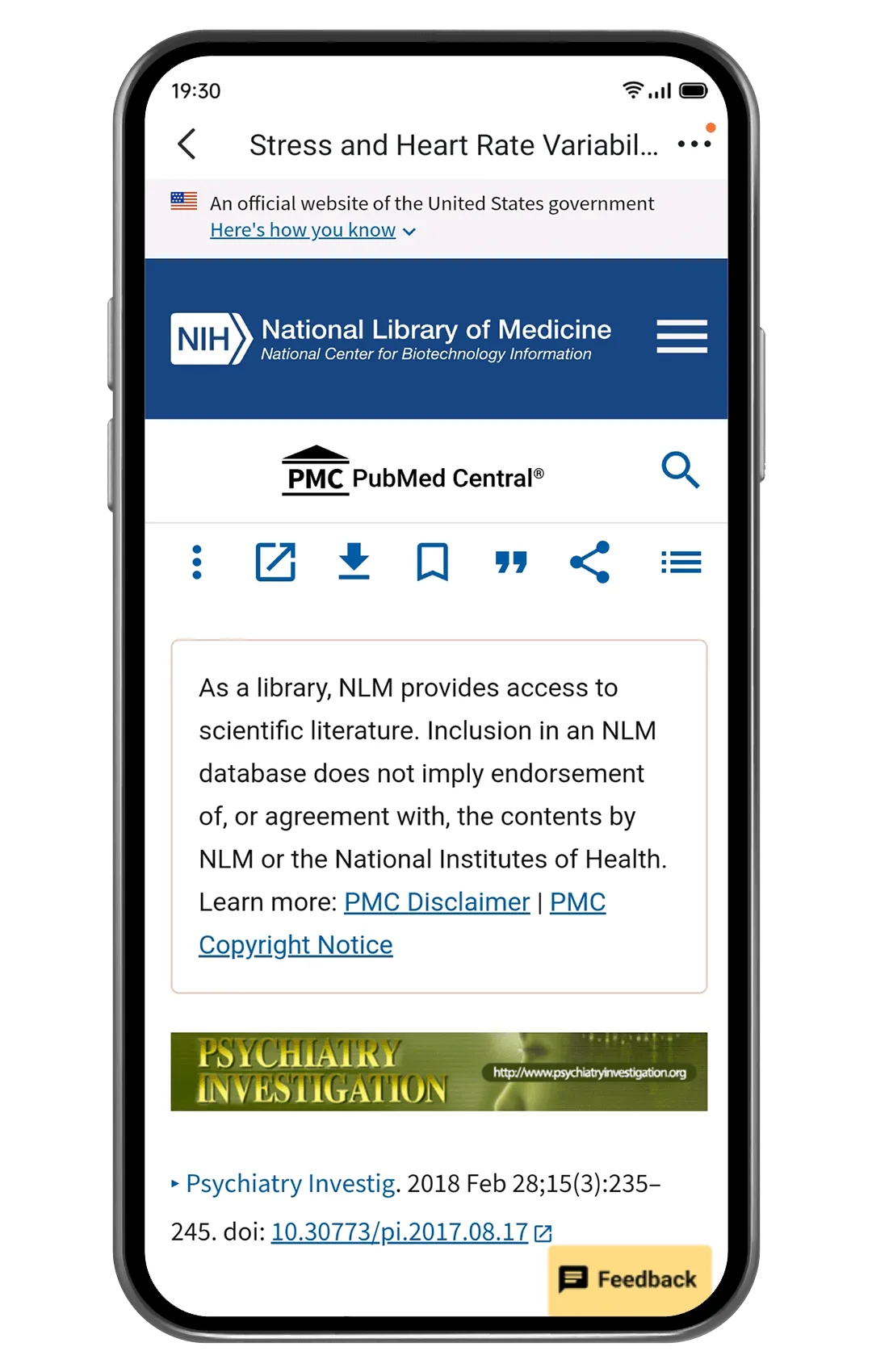
Stress and Heart Rate Variability article from the National Library of Medicine.

HRV links to sleep and stress

HRV reflects sleep quality and stress resilience. Adequate sleep boosts parasympathetic (PNS) activity, enhancing HRV during deep sleep as the body repairs itself. Poor sleep lowers HRV, increasing fatigue. Good sleep quality is typically associated with higher HRV metrics, such as RMSSD and SDNN.

Higher HRV signals stress resilience; lower HRV indicates sympathetic (SNS) dominance—triggering adrenaline and reducing variability. Chronic SNS overactivity from prolonged stress depletes HRV, raising risks of burnout and cardiovascular strain.

Know more
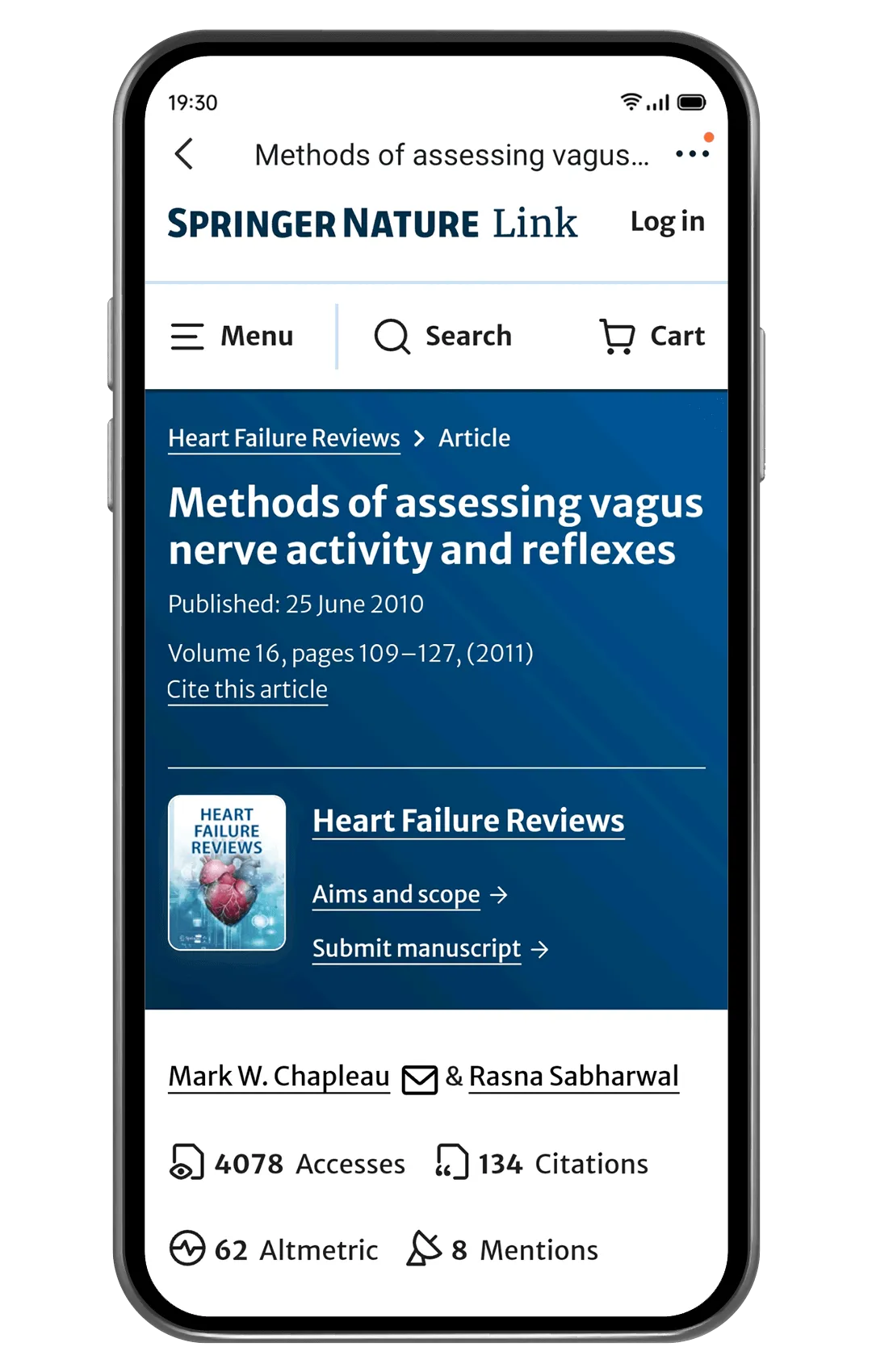
Methods of assessing vagus nerve activity and reflexes article.

HRV and the vagus nerve

The vagus nerve (parasympathetic) controls HRV: strong vagal tone increases heart variability during relaxation. Deep breathing and meditation enhance vagal tone, raising HRV; chronic stress or inflammation lowers it by weakening vagal function.

This explains why vagus-focused practices (e.g., yoga, cold exposure, breathwork) improve HRV and alleviate stress or insomnia. HRV acts as a “vagal health meter,” reflecting your nervous system’s adaptability to stress and recovery capacity.

Know more

ZenoWell's ongoing research on the vagus nerve

The expert team at ZenoWell has conducted numerous cutting-edge research on the vagus nerve, and some of the ongoing studies are as follows

50+Papers Are Currently Under Research

Dr. Jane Xiao, ZenoWell Chief Scientist.
Portrait of Dr. Jane Xiao.

ZenoWell Chief Scientist

Meet the health professionals

Cognitive neuroscientist with over a decade of research in neuroimaging, neuromodulation, sleep, and emotional regulation. She brings academic rigor and data-driven insight to ZenoWell, ensuring every protocol is grounded in science and optimized for real-world impact.

Dr. Jane earned her Ph.D. from The Chinese University of Hong Kong, with a unique interdisciplinary background spanning veterinary medicine, psychology, and cognitive neuroscience. Her deep passion for both neuroscience and animals has shaped her holistic approach to wellness and healing.

At the heart of Jane's philosophy is the belief that true wellbeing comes from integrating multiple "Zeno" practices into daily life. She developed ZenoWell's Five Pillars framework—Sleep, Food, Movement, Relaxation, and Connection—a science-backed approach she personally lives by and shares with those around her. Beneath these five pillars lies the foundational layer of Vagus Nerve Regulation, the neural core that supports and amplifies every pillar's benefits.

Rooted in Jane's philosophy are also the principles of Know Yourself and Self-Control—the conviction that lasting change begins with honest self-awareness and the discipline to align daily actions with deeper intentions.

Jane is dedicated to helping everyone feel better and live more—from family and friends to colleagues, research collaborators, patients, and ZenoWell users worldwide. Her mission is to make neuroscience-based wellness accessible, practical, and transformative for real people in real life.

Dr. Jane Xiao

Cofounder & Chief Scientist

The ZenoWell Dialogue

The ZenoWell Insight

Scientific evidence showing how ZenoWell activates the vagus nerve.
How do you know ZenoWell activates the vagus nerve?

We know many home remedies, activities, and products that claim to activate the vagus nerve, but can we prove it?

Yes, we can!

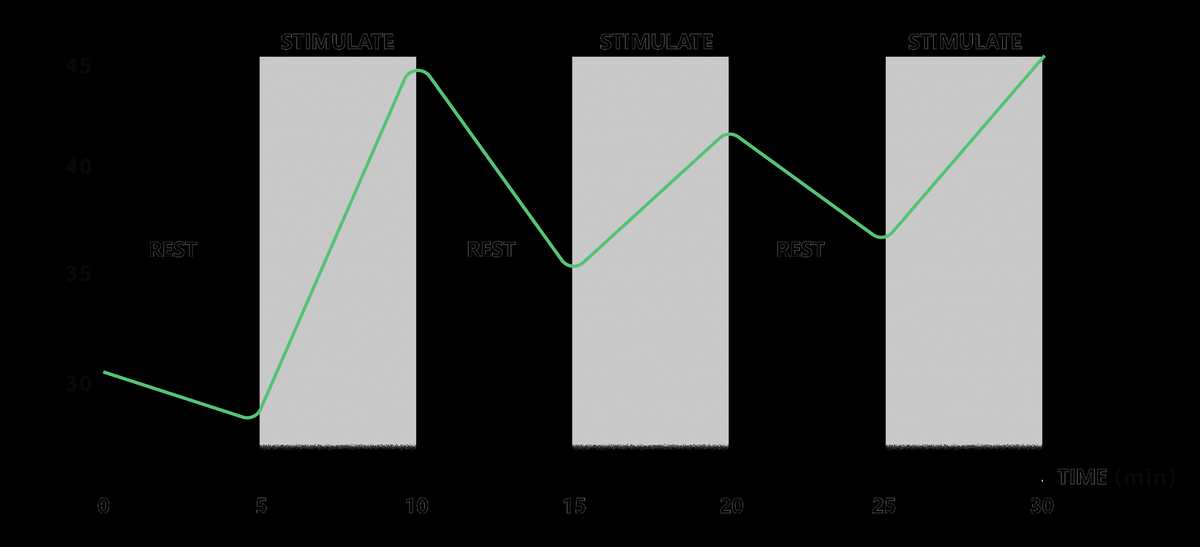
A recent study highlights that taVNS effectively modulates both the autonomic nervous system and the central nervous system.

Notably, a significant increase in heart rate variance (HRV) was observed in the majority of participants. Read more about it here.

Graph showing alternating stimulate and rest phases with data changes over time.

Solid evidence of ZenoWell modulating vagus nerve activity

ZenoWell's taVNS efficiently activates the parasympathetic nervous system, rapidly boosting HRV.

In our repetition study involving over 60 healthy participants, just 5 minutes of ZenoWell’s taVNS consistently enhanced parasympathetic activity, with a significant rise in HRV (measured by RMSSD), as shown in the figure above. The test-retest reliability was as high as 0.85. This demonstrates its potential for fast, reliable stress recovery and autonomic balance.

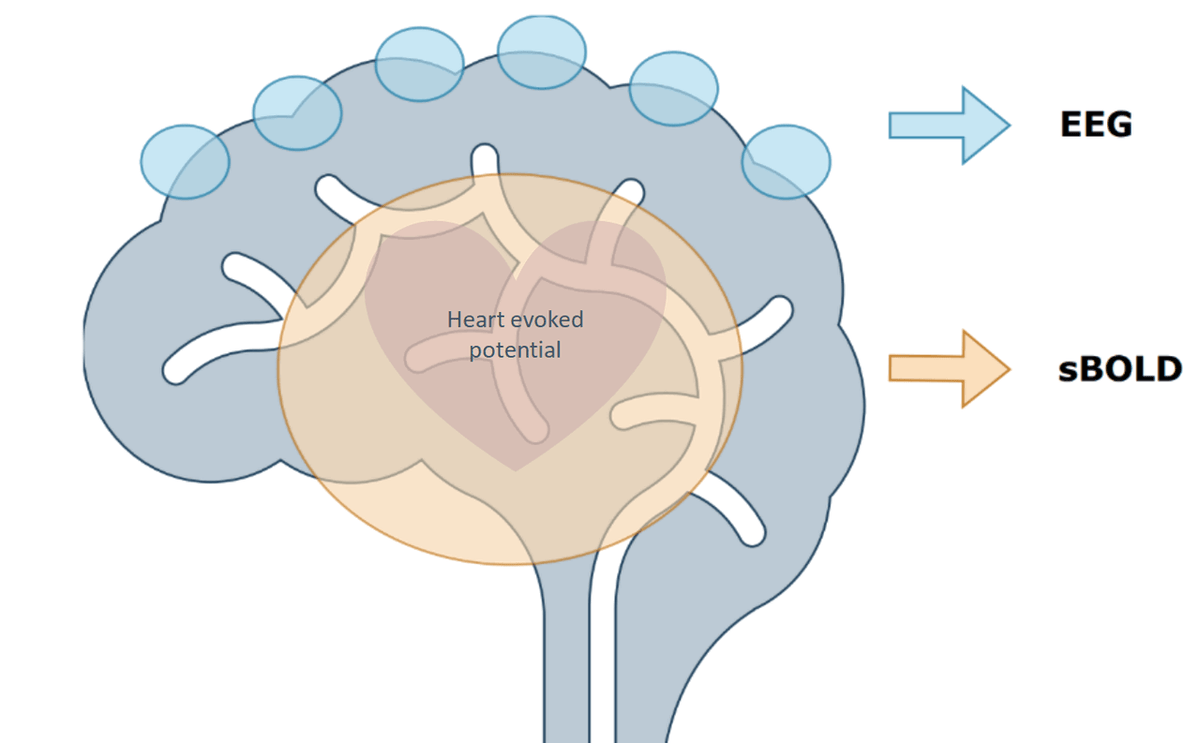
Brain diagram with heart-evoked potential and EEG pathways.

More than HRV...

Studies with neuroimaging tools (EEG, ERP, fMRI) show that taVNS therapy boosts the body's natural relaxation response (vagal tone) while helping the brain better sense internal signals. It also increases norepinephrine activity, a chemical linked to focus and stress management.

These combined effects improve nervous system balance, reduce body-wide inflammation, and may help treat fatigue, chronic pain, and gut-brain axis disorders.

Know more.

Four mechanisms of ZenoWell’s taVNS

Restore ANS balance and modulate neurotransmitter

Enhances parasympathetic activity while calming an overactive sympathetic activity, restoring balance to ANS.

Modulates the release of key neurotransmitters, including melatonin, serotonin, dopamine, endorphinsetal.

Modulating brain activity and anti-inflammation responses

Regulates activity and functional connectivity in brain regions associated with sleep, stress, and pain.

Reduces inflammation responses by activate 3 key anti-inflammatory pathways.

Experience long-lasting effects

Scientifically designed electrodes and advanced materials deliver optimal and comfortable stimulation.

Consistent use brings long-lasting benefits: 7 days to reduce sleep latency, 14 days to improve sleep quality and reduce stress, and 21 days to refresh both body and mind.

Beyond sleep benefits

ZenoWell leverages cutting-edge neuromodulation technology to restore inner balance and support your body’s natural healing and recovery.

ZenoWell is your lifelong companion in wellness.

Clinical studies of taVNS & ZenoWell patents

"ZenoWell's neurotechnology platform enhances cognitive focus, situational awareness, and sleep regulation through peer-validated, non-pharmaceutical methods that integrate seamlessly with circadian rhythms without adverse effects. Our ongoing clinical trials continue to confirm these breakthrough outcomes. For those interested in taVNS clinical and foundational research, we welcome collaboration inquiries."

-Prof. Dr. Med. Hocher.
Initiator of ZenoWell